
No products in the cart.

Blog
Natural Fabrics That Are Trending For Custom Gifts In 2025
18
Aug
Aug
Natural textiles have been welcomed by the custom gift market in 2025 with never-before-seen fervor. Consumers are no longer satisfied with generic gifts. Instead, they actively seek presents crafted from organic materials that reflect care for the environment and a desire for meaningful connections. This trend stems from growing environmental awareness and a preference for authenticity in gift-giving.
Craftspeople and businesses have responded by incorporating eco-friendly textiles that offer distinctive textures, superior durability, and reduced ecological impact. The following natural materials have become essential components in thoughtful, customized gifts that recipients truly value.
Why This Year is All About Sustainable Textiles
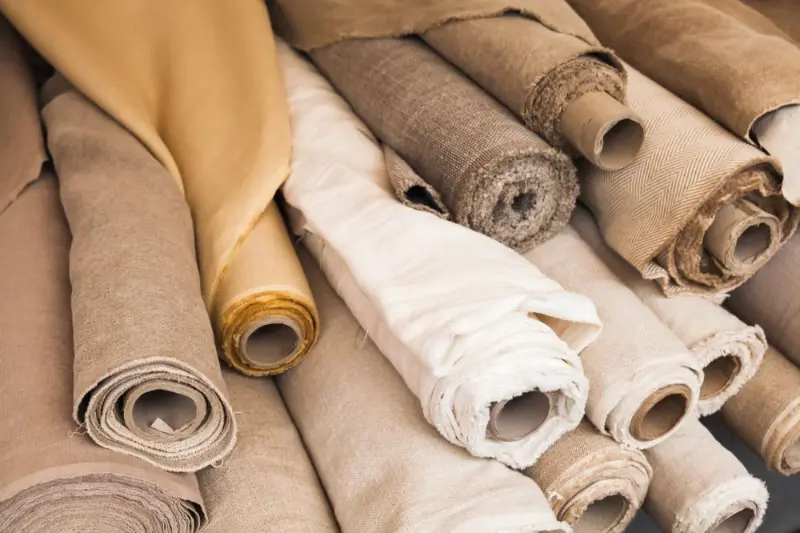
The year 2025 marks a significant shift in the gifting industry. Consumers are moving away from mass-produced, synthetic, and environmentally harmful products. They are prioritizing personalized gifts that are meaningful, eco-friendly, and sustainable. Natural fabrics have taken center stage, offering timeless appeal, environmental responsibility, and remarkable versatility.
Eco-conscious gifting has now become a mainstream expectation. Today, recipients value not only the thoughtfulness behind a gift but also its environmental footprint. With heightened awareness of climate change and microplastic pollution, many are rejecting synthetic options like polyester and nylon. These materials shed harmful fibers into waterways.
A key environmental concern is PFAS (per- and polyfluoroalkyl substances), often found in water-repellent clothing. PFAS are “forever chemicals” that persist in the environment and pose serious health risks. These pollutants can travel globally via ocean currents and rainfall, causing widespread harm.
The health dangers of PFAS are alarming. Prolonged exposure is linked to kidney, bladder, and testicular cancers. People have also suffered from immune system dysfunction and thyroid disorders. TorHoerman Law notes that firefighters, regularly exposed to PFAS in firefighting foam, highlight the severity of the threat.
Numerous lawsuits have been filed by individuals suffering from PFAS-related health issues. In fact, as per the latest PFAS foam lawsuit updates, legal actions are continuing to rise.
Amid these concerns, natural fabrics have emerged as a beacon of hope. The global market for bio-based textiles was valued at $5.80 billion in 2024. It is expected to expand at a compound annual growth rate (CAGR) of 11.6% between 2025 and 2034. According to Polaris Market Research, this growth is fueled by heightened environmental regulations and rising consumer preference for sustainable clothing.
Top Trending Natural Fabrics for Custom Gifts in 2025
The top trending natural fabrics for custom gifts in 2025 emphasize sustainability, eco-friendliness, and unique textures. Here’s a breakdown of popular choices:
Organic Cotton – The Timeless Choice
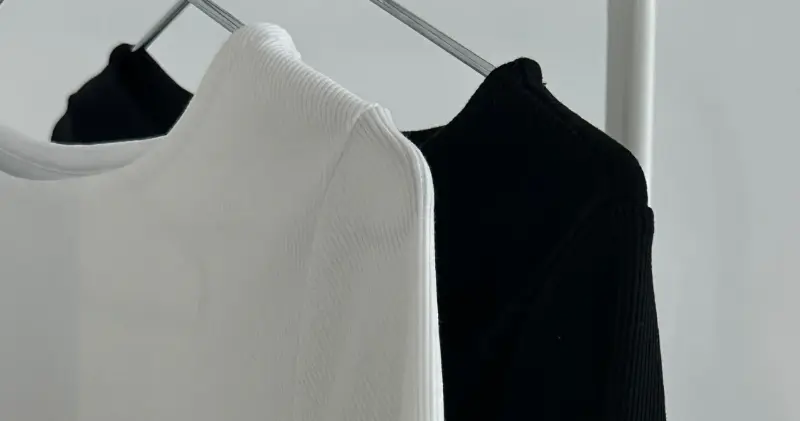
Organic cotton continues to be a popular option due to its softness, versatility, and environmentally friendly production methods. It’s suitable for a range of products, from custom tote bags and T-shirts to decorative cushion covers and kitchen textiles.
In contrast to conventional cotton, organic cotton is grown without the use of artificial pesticides. This makes it safer for both the environment and the farmers who grow it.
100% cotton naturally degrades within a few months to five years. Whereas synthetic materials can persist for generations. Additionally, cotton and other natural fibers do not release plastic microfibers during washing. This helps protect waterways and marine ecosystems.
NewsNation emphasizes that increased consumer preference for cotton over synthetic materials could promote sustainability and reduce microfiber pollution. It can also support regenerative agricultural practices. Looking ahead, expect organic cotton gifts in 2025 to showcase either minimalist, nature-inspired designs or bold, colorful embroidery.
Hemp – The Sustainable Powerhouse
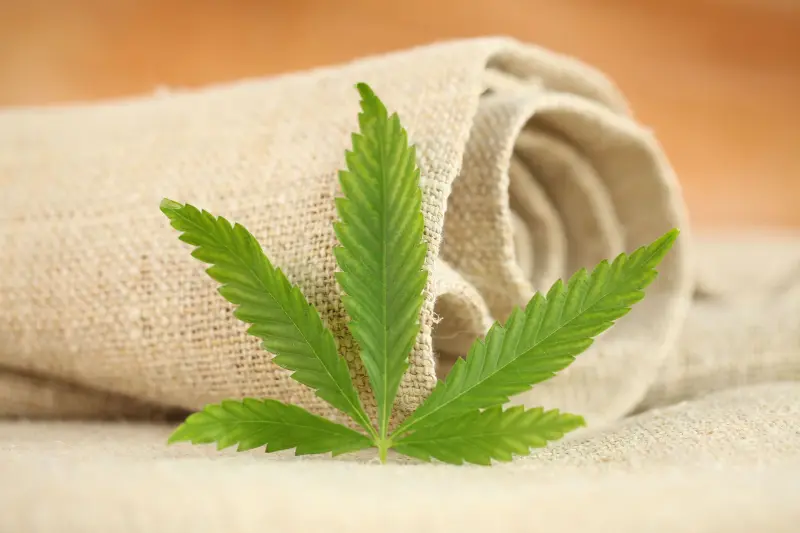
Hemp is taking center stage in 2025, celebrated for its exceptional sustainability and rugged appeal. In contrast to cotton, which demands extensive water and resources, hemp thrives with minimal irrigation and naturally wards off pests. This eliminates the need for chemical pesticides.
In 2024, the hemp fabric market was estimated to be worth $21.89 billion globally. It is expected to soar to $393.67 billion by 2034. As per Market Research Future, the growth of CAGR of 33.5% from 2025 to 2034. This growth is fueled by the rising demand for sustainable and eco-friendly textiles. Hemp’s natural qualities include breathability and antimicrobial properties.
As a carbon-negative crop, hemp absorbs more carbon dioxide during cultivation than it releases, contributing positively to the environment. Its versatility makes it an excellent choice for custom gifts. It can be crafted into durable tote bags, sturdy aprons, hats, wallets, and even blended with other fibers for a softer touch.
The natural, earthy texture of hemp lends a rustic, organic aesthetic to products, appealing to eco-conscious consumers who prioritize authenticity. In 2025, innovative uses for hemp are emerging, including monogrammed yoga mats, embroidered journals with hemp covers, and reusable hemp coffee filters.
Linen – Lightweight Luxury
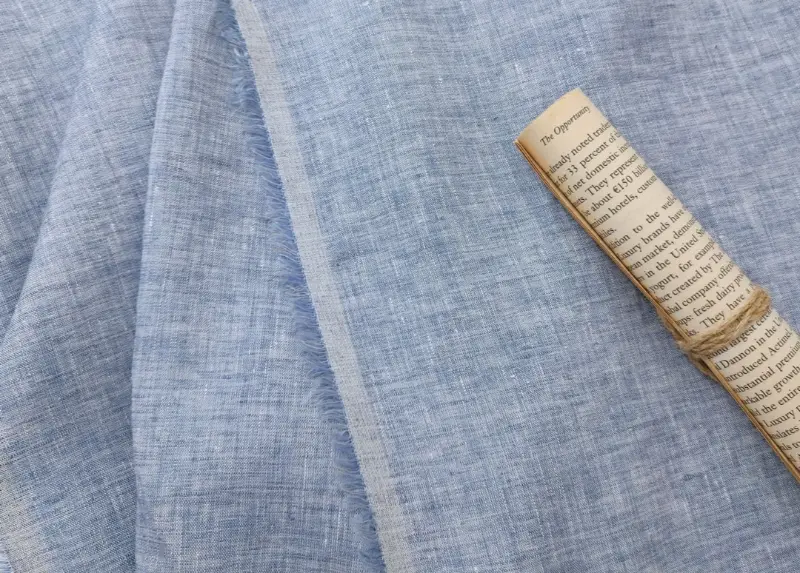
Linen is experiencing a renaissance in 2025, celebrated for its airy texture and natural sheen. This multipurpose fabric is ideal for gifts related to home décor, including beds, napkins, and table runners. Additionally, it’s a popular option for summer dresses and shirts.
From seed to garment, linen meets almost all sustainability requirements. Naturally resistant to pests, drought, and regrowth, it is made from the bast fibers of the flax plant. It is naturally resistant to regrowth, drought, and pests.
The Cut notes that flax types used in linen have a short growing cycle. This allows for harvest within 80 to 100 days after planting, enabling cultivation between other crops. In most climates suitable for flax, no irrigation is needed, as it thrives on rainfall alone.
The production of organic linen requires minimal chemical treatment and generates little waste. With the right care, linen products can also endure for decades thanks to the robust flax fibers. An item made entirely of linen is completely biodegradable when its useful life is over.
A standout feature of linen is its ability to regulate temperature, making it comfortable in both warm and cool weather. Its rustic yet elegant appearance appeals to those seeking gifts that combine timeless style with practicality.
FAQs
Are natural fabrics more expensive?
Natural fabrics are produced from raw fibers that undergo careful spinning, weaving, or knitting, which increases production costs. Their superior quality, eco-friendly nature, and long-lasting wear justify the higher price. Many people consider them a worthwhile purchase due to their comfort, durability, and sustainable appeal.
Can you hand embroider linen?
Linen’s natural weave allows a needle to glide through with ease, making it perfect for hand embroidery. Its strength and textured surface enhance stitch definition. The final result often looks refined, elegant, and durable enough to be cherished for years.
Which is better, silk or bamboo?
It depends on your preferences. Bamboo is valued for being budget-friendly, sustainable, and hard-wearing. Meanwhile, silk is treasured for its luxurious softness and potential hair and skin benefits. Each has distinct advantages, so the “better” choice depends on whether you prioritize eco-friendliness, affordability, or indulgence.
By choosing gifts crafted from natural fabrics, we’re not just celebrating personal connections. We are showing our dedication to a healthy planet. In a world increasingly aware of its environmental impact, sustainable textiles are more than a trend. They are the foundation of thoughtful and impactful gifting. Let your gifts this year tell a story of care, consciousness, and a brighter, greener future.